
In any building, safety should always be the top priority. One critical aspect of building safety is the installation of a reliable fire escape staircase. Fire emergencies can strike without warning, and a well-installed escape route can save lives. Ensuring that your building is equipped with a high-quality fire escape system is not just a legal requirement but also a moral responsibility to protect occupants. In the UK, regulations and best practices emphasise the need for durable, compliant, and properly installed escape routes.
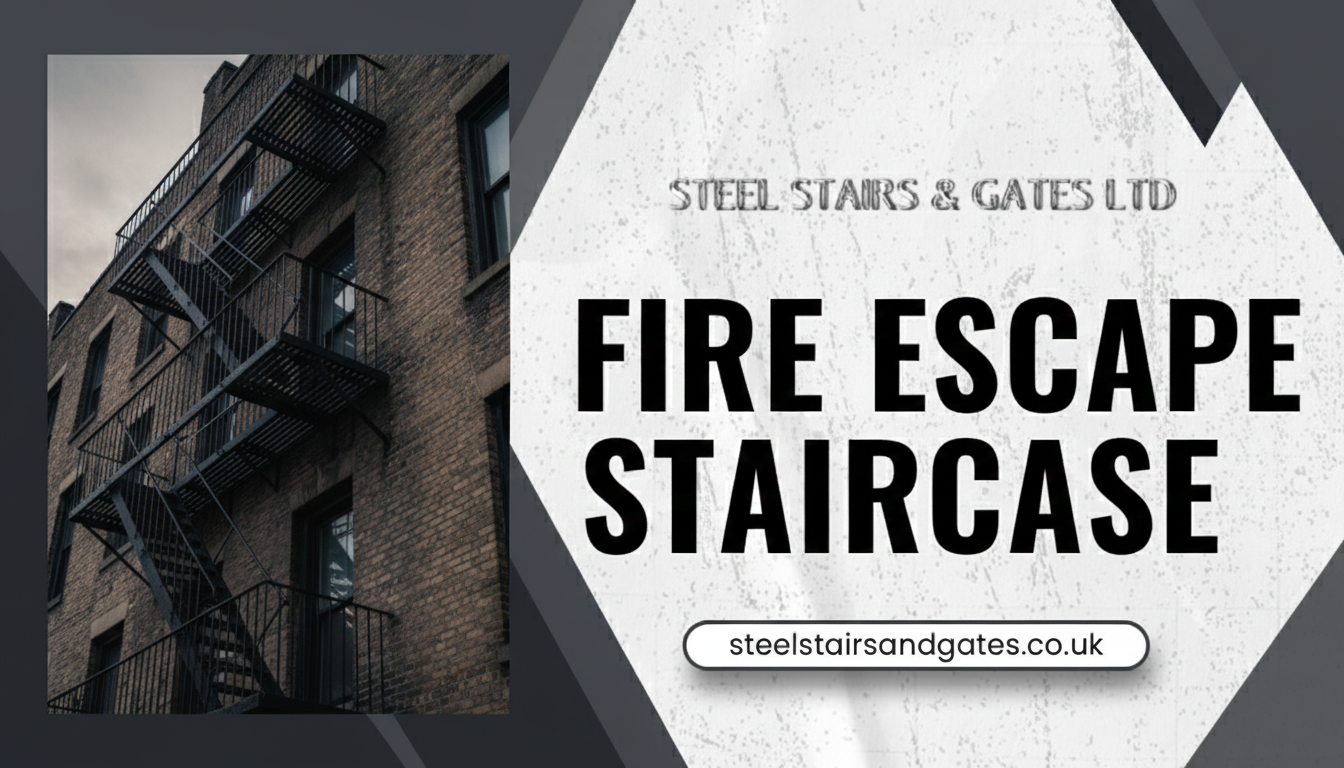
Whether in a commercial property, multi-storey office, or residential building, fire escape stairs must meet specific standards to guarantee safety and accessibility. Choosing the right materials, design, and installation process can make the difference between a secure evacuation and a hazardous situation. From selecting fire escape stairs to considering structural stability and corrosion resistance, every detail counts. Proper planning and professional installation ensure that the staircase functions effectively during emergencies, offering a reliable exit path for all building occupants.
In this guide, we’ll explore how to properly install a fire escape stair for maximum safety, covering materials, planning, regulatory compliance, installation tips, and maintenance. By following these steps, you can ensure that your building is both safe and compliant, while also enhancing its long-term durability.
Understanding Fire Escape Stairs
A fire escape staircase is more than just a functional element of a building; it’s a life-saving feature. Typically made from robust materials like steel, these staircases are designed to withstand fire, heavy use, and extreme weather conditions. They provide a secure exit during emergencies, guiding occupants safely from higher floors to the ground.
Key considerations for a fire escape stair include:
- Durability: Using high-quality materials ensures that the staircase remains safe over time.
- Load-bearing capacity: The structure must support multiple occupants simultaneously.
- Accessibility: Stairs must be easy to navigate, with non-slip surfaces and suitable handrails.
- Compliance: Meeting UK fire safety standards is mandatory for legal and safety reasons.
Installing a staircase without adhering to these standards could compromise safety, creating risks during a fire emergency. Proper design and planning are crucial for ensuring your escape route performs as intended.
Planning Your Fire Escape Stairs Installation
Proper planning is the foundation of a safe and functional fire escape. Start by assessing your building’s needs and consulting local building codes. Key steps include:
- Evaluate building layout: Determine the most effective location for the staircase to ensure easy access from all floors.
- Determine required capacity: Calculate the number of occupants who may need to use the staircase simultaneously.
- Choose materials carefully: Steel is a popular choice for its strength, durability, and fire-resistant properties. Consider galvanised steel for enhanced corrosion resistance, especially in outdoor installations.
- Comply with UK standards: Ensure your design meets all relevant fire safety regulations, including width, height, and load requirements.
Planning also includes considering aesthetics, weather protection, and maintenance access. A well-planned fire escape staircase not only ensures safety but also integrates seamlessly into your building’s overall design.
Step-by-Step Installation Guide
Installing a fire escape stairs requires careful attention to detail and adherence to safety protocols. Here’s a step-by-step overview:
Site Preparation:
- Clear the installation area and remove any obstacles.
- Ensure the supporting structure is level and capable of bearing the staircase load.
Assemble Staircase Components:
- Pre-fabricated steel staircases often come in modular sections.
- Follow manufacturer guidelines for assembling stringers, treads, and railings.
Secure Staircase to Building:
- Anchor the staircase firmly to the building’s structure using appropriate fixings.
- Check alignment and level at every stage to prevent structural issues.
Install Handrails and Guardrails:
- Handrails provide stability and reduce the risk of falls.
- Guardrails prevent accidental slips from the sides of the staircase.
Check Safety Features:
- Install non-slip surfaces on steps.
- Ensure all edges and corners are smooth so that major injuries can be prevented.
Final Inspection:
- Conduct a thorough inspection to confirm compliance with UK fire safety regulations.
- Test load-bearing capacity and stability before allowing public use.
Professional installation is highly recommended, as mistakes can compromise safety. Experienced installers understand the intricacies of fire escape stairs regulations and can provide a reliable, compliant solution.
Choosing the Right Materials for Safety and Durability
Steel is the material of choice for fire escape stairs in UK buildings. It offers exceptional strength, fire resistance, and long-term durability. Galvanised steel, in particular, is resistant to rust and corrosion, making it ideal for outdoor installations exposed to the elements.
Other important considerations include:
- Step surfaces: Anti-slip coatings reduce the risk of slips during emergencies.
- Handrails: Sturdy and continuous handrails improve safety.
- Finish: Powder-coated or galvanised finishes enhance longevity and aesthetics.
Selecting high-quality materials ensures that your staircase remains safe and functional for decades, even under heavy use and adverse conditions.
Maintenance Tips for Longevity
Even the best-installed fire escape stairs require regular maintenance to remain safe:
- Inspect treads and handrails for wear and tear.
- Check for corrosion or rust, particularly in outdoor environments.
- Ensure anchor points remain secure.
- Repaint or recoat surfaces as needed to protect against weathering.
Routine inspections and maintenance not only prolong the life of your staircase but also ensure ongoing compliance with fire safety regulations.
Steel Staircase and Metal Balconies Ltd.’s Expert Fire Escape Solutions: Safety You Can Trust
When it comes to installing a reliable fire escape steel staircase in UK buildings, we provide unmatched expertise and service. At Steel Staircase and Metal Balconies Ltd, we specialise in high-quality metalwork, including essential fire escape stairs. Our team ensures that every staircase we install meets rigorous safety standards and provides dependable evacuation routes in emergencies.
We work closely with you to design, manufacture, and install a staircase that perfectly fits your building’s needs. Using premium steel and proven construction methods, we deliver durable, aesthetically pleasing, and fully compliant fire escape solutions. Our commitment to quality and safety makes us the go-to provider for commercial and residential fire escape stairs throughout the UK.
End Note
Installing a fire escape staircase correctly is crucial for the safety of building occupants. From careful planning and material selection to professional installation and regular maintenance, each step ensures a secure, reliable escape route during emergencies. By following UK fire safety standards and prioritising high-quality materials, you can protect lives and maintain compliance.
If you are looking for fire escape stairs, partnering with experienced professionals like Steel Staircase and Metal Balconies Ltd. ensures peace of mind. Our dedication to quality, safety, and precision makes us the ideal choice for your fire escape needs.